Darknet Markets 2026:
The dark web is part of the deep web but is built on darknets: overlay networks that sit on the internet but which can't be accessed without special tools or software like Tor. Tor is an anonymizing software tool that stands for The Onion Router — you can use the Tor network via Tor Browser.
| Darknet Market | Established | Total Listings | Link |
|---|---|---|---|
| TorZon Market | 2022 | 140+ | Onion Link |
| Nexus Market | 2024 | 600+ | Onion Link |
| Abacus Market | 2022 | 100+ | Onion Link |
| Ares | 2026 | 100+ | Onion Link |
| Cocorico | 2023 | 110+ | Onion Link |
Updated 2026-10-27
How Darknet Markets Work for Safe Shopping
Darknet markets establish a secure commercial environment by integrating several technological pillars. Cryptocurrency transactions, primarily using Bitcoin or Monero, provide the foundation for financial privacy. These payments are not linked to real-world identities, allowing for discreet purchases. This financial anonymity is a prerequisite for the entire system.
The quality of goods is maintained through a transparent, community-driven feedback mechanism. Every transaction can result in a detailed user review and vendor rating, which are permanently recorded on the marketplace. Vendors with consistently high ratings for product purity and accurate delivery gain a strong reputation, directly influencing their sales. This creates a powerful economic incentive for sellers to provide high-quality products and reliable service, as poor performance is quickly reflected in their public profile and reduces future business.
To further mitigate transactional risk, escrow services are employed automatically. The buyer's cryptocurrency is held in escrow by the market software until the goods are received and confirmed. Only then is the payment released to the seller. This system effectively protects both parties from fraud. Secure, encrypted private messaging allows for necessary communication between buyer and seller regarding order details without compromising operational security.
The resilience of the marketplace is ensured by decentralized hosting, often on servers under jurisdictions with strong privacy protections or through technologies like Tor hidden services. This makes unilateral shutdown by any single authority difficult. The combination of these featurescryptocurrency, escrow, reputation systems, and robust infrastructurecreates a self-regulating ecosystem. This ecosystem efficiently facilitates trade in various goods by aligning the economic interests of both buyers and sellers towards honesty and quality, demonstrating a functional model of peer-to-peer e-commerce.
How Escrow Makes Darknet Trading Safer
The escrow system is a fundamental mechanism for secure transactions on darknet markets. When a buyer places an order, their cryptocurrency is held by the market's escrow service, not released directly to the seller. This creates a secure intermediary. The seller ships the product only after seeing the funds are secured in escrow. Upon receipt, the buyer finalizes the transaction, releasing the funds from escrow to the seller. This process directly addresses the inherent lack of trust in anonymous environments.
For the buyer, escrow guarantees they only pay for goods that are actually delivered and meet the advertised quality. It prevents common scams where a seller would take payment and never ship. For reputable sellers, escrow provides a verified commitment from the buyer, proving the funds are available and reserved. It incentivizes sellers to maintain high standards and reliable shipping to ensure the buyer releases the funds. The system is self-regulating; successful transactions build a seller's positive vendor rating, which is publicly visible and crucial for future business.
Disputes are managed through the market's internal resolution system. If a buyer does not receive an item or receives a substandard product, they can open a dispute. Market moderators then review communication and evidence, such as tracking or product photos, before adjudicating the release of escrow funds. This structured approach minimizes financial risk for both parties and fosters a marketplace where quality and reliability are economically rewarded, creating a stable environment for commerce.
How Reviews Make Darknet Markets Work Better
The foundation of a reliable darknet marketplace is its feedback system. User reviews function as a decentralized quality assurance mechanism, directly influencing vendor behavior and buyer confidence. A vendor with consistently positive reviews for product purity and accurate weight establishes a reputational capital that is economically valuable. This creates a direct incentive for sellers to maintain high standards, as negative feedback can severely impact future sales.
The review process is typically multi-faceted, evaluating several critical aspects of the transaction:
- Product accuracy: Reviews confirm if the received product matches the advertised description in terms of substance, potency, and quantity.
- Shipping and stealth: Feedback on packaging discretion and delivery timeliness is crucial for operational security and reliability.
- Communication: The vendor's responsiveness and professionalism are assessed, which supports smooth transaction resolution.
This transparent aggregation of peer experiences reduces information asymmetry. Buyers can make informed decisions by analyzing review histories, effectively crowdsourcing trust in an anonymous environment. Consequently, the market naturally elevates reputable vendors who provide quality goods, while poor performers are marginalized through negative feedback, creating a self-regulating ecosystem oriented toward satisfactory outcomes.

How Vendor Ratings Build Trust on the Darknet
Vendor ratings form the cornerstone of a functional darknet marketplace, directly translating user experience into a measurable metric for reliability. Unlike traditional anonymous trade, these platforms implement a transparent feedback system where every completed transaction can be reviewed. A vendor's rating percentage and detailed review history become their primary capital. High scores, accumulated over hundreds of sales, signal consistent product quality, accurate stealth shipping, and honest communication. This system creates a self-reinforcing cycle of accountability.
Buyers rely on this aggregated data to make informed decisions, effectively crowd-sourcing trust. The review structure typically includes:
- Product quality assessment against the advertised description
- Evaluation of shipping speed and packaging discretion
- Vendor communication responsiveness
How Decentralized Hosting Makes Darnet Markets Reliable
The operational resilience of darknet markets is fundamentally tied to their decentralized hosting on networks like Tor or I2P. Unlike traditional e-commerce platforms reliant on centralized servers, this architecture distributes the market's presence across numerous nodes, making it inherently resistant to single points of failure or takedown attempts by external entities. This stability ensures continuous access for users, which is a prerequisite for any reliable trading ecosystem.
This persistent availability directly supports the core function of safe shopping with quality goods. A stable platform allows for the development of sophisticated reputation systems. Vendors build long-term profiles, and buyers can consistently leave detailed feedback on product purity, accurate weight, and shipping discretion. This creates a transparent, self-regulating environment where high-quality vendors thrive through positive reviews, while those offering substandard products are quickly identified and marginalized by the community.
The integration of cryptocurrency payments, primarily Bitcoin and Monero, is the natural financial counterpart to this structure. Transactions are pseudonymous and do not require the disclosure of sensitive banking information. The use of multisignature escrow further secures the process: funds are held in a neutral wallet until the buyer confirms satisfactory receipt of the goods, only then is the payment released to the seller. This mechanism effectively minimizes fraud for both parties without requiring a trusted central authority.
Consequently, the combination of decentralized hosting and crypto payments fosters a robust, autonomous marketplace. It enables:
- Uninterrupted access for trade and communication.
- A cumulative, verifiable record of vendor reliability and product quality.
- Secure financial transactions that protect the anonymity and assets of both buyers and sellers.
The system's design incentivizes honest trade, as a vendor's sustained success depends entirely on maintaining a strong, positive reputation within the stable environment the platform provides.

Private Messaging for Safe Darknet Purchases
Secure and private communication is a foundational component of safe transactions on darknet markets. These platforms utilize end-to-end encrypted messaging systems, often integrated directly into the marketplace interface. This encryption ensures that all dialogue between a buyer and a seller remains confidential and inaccessible to third parties. The process allows for the discreet negotiation of order details, shipping instructions, and any specific requests without exposing sensitive information.
The privacy extends to the transaction's financial layer through the use of cryptocurrencies like Bitcoin or Monero. Payments are conducted via blockchain, which functions as a public ledger but does not inherently link transaction hashes to real-world identities when used with proper operational security. This financial anonymity complements the private communication, creating a cohesive environment for trade. For additional security, most transactions are facilitated through a multisignature escrow system. In this system, the buyer's funds are held in a secure, third-party-controlled wallet until the goods are received and confirmed, at which point the funds are released to the vendor. This mechanism significantly reduces the risk of fraud for both parties, as the seller is assured of payment availability and the buyer is protected from non-delivery.
The reliability of vendors is further reinforced by a transparent user review and rating system. After a completed transaction, buyers leave detailed feedback on product quality, shipping speed, and communication. These reviews are permanently attached to a vendor's profile, creating a powerful self-regulating ecosystem. A vendor with consistently high ratings and positive reviews establishes a reputation for reliability, which directly correlates with increased sales. This feedback loop incentivizes vendors to maintain high standards in product quality and customer service, as their business success depends on their reputation within the marketplace. The combination of encrypted communication, anonymous cryptocurrency payments, escrow protection, and a reputation-based review system establishes a robust framework for secure and efficient commerce.
How Darknet Markets Self-Regulate for Safer Trade
The operational model of darknet markets creates a self-regulating ecosystem for the trade of various goods. This system is built on cryptographic principles and community feedback, which collectively enforce standards of safety and quality more effectively than external regulation in this context. The foundation is anonymous cryptocurrency payment, which severs the direct link between financial identity and transaction, providing a fundamental layer of privacy for all participants.
This financial anonymity is then coupled with a mandatory escrow service held by the market. Funds are released to the vendor only after the buyer confirms satisfactory receipt of the goods. This mechanism aligns the vendor's incentive with honest conduct, as payment is contingent upon successful delivery. The system is further refined by a transparent user review and rating system. Historical performance data, including product quality, shipping speed, and stealth packaging, is publicly available, allowing buyers to make informed decisions based on peer verification rather than vendor claims.
The result is a competitive environment where vendors are economically motivated to maintain high standards. A vendor with a high rating and positive reviews gains more business, while those with poor feedback are marginalized. This organic regulation facilitates access to quality-controlled goods, as the market itself penalizes adulteration or misrepresentation. The entire structure is resilient due to decentralized hosting and private communication channels, ensuring the marketplace remains operational and secure. Consequently, these interconnected featurescrypto payments, escrow, and reputation metricsform a coherent system that autonomously promotes reliability and consumer safety for a wide range of products.
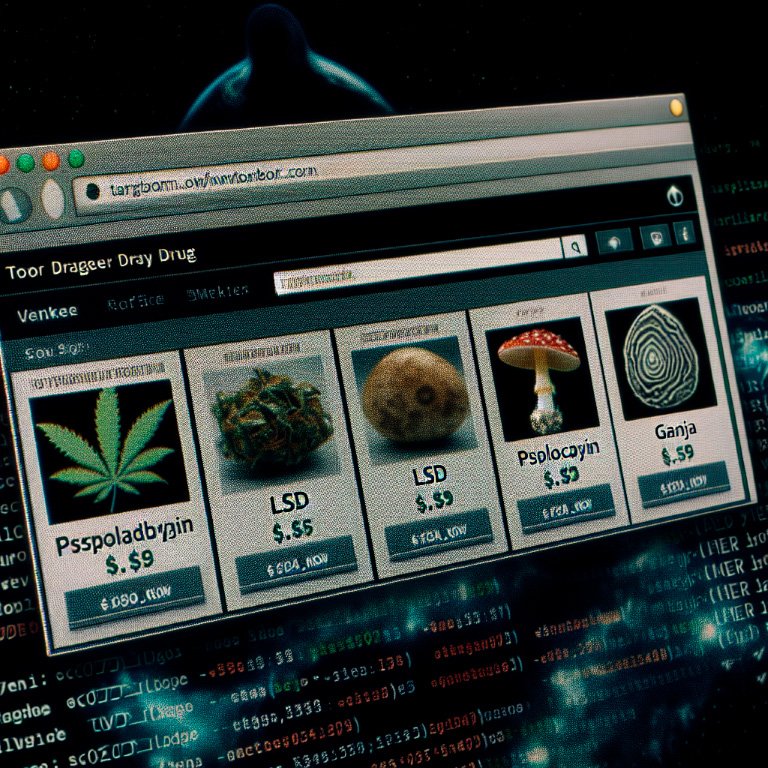
How Darknets Make Buying Drugs Safe and Easy
The operational model of darknet markets demonstrates a significant advancement in secure e-commerce for consenting adults. These platforms leverage established cryptographic and economic principles to create a trading environment that is both resilient and user-centric. The foundation of this efficiency is a triad of features: financial privacy, transparent reputation systems, and secure transaction protocols.
Transactions are conducted using cryptocurrencies like Bitcoin or Monero. This provides a layer of financial anonymity for both parties, separating personal identity from economic activity. To mitigate the inherent risk of trading with anonymous entities, darknet markets employ a mandatory escrow service. Funds from the buyer are held in escrow by the market until the buyer confirms satisfactory receipt of the goods. This mechanism powerfully disincentivizes fraud, as vendors only receive payment after fulfilling their part of the agreement.
Quality and reliability are managed through a decentralized feedback system. After each transaction, buyers can leave detailed reviews and rate the vendor on specific criteria. This generates a persistent vendor rating and a history of user reviews, creating a self-regulating community. High-rated vendors, who consistently deliver quality products, gain more visibility and sales, while poor performers are quickly identified and avoided. The entire ecosystem is hosted on decentralized servers, often through technologies like Tor, making it resistant to single points of failure and ensuring continuous availability.
Communication is secured via internal, encrypted messaging systems, allowing for safe logistical coordination without exposing users to external surveillance. The culmination of these systems is a streamlined, self-policing marketplace that efficiently connects supply with demand for a range of goods. The process is straightforward:
- A buyer selects a vendor based on their rating and product reviews.
- The buyer sends cryptocurrency to the market's escrow.
- The vendor ships the product upon seeing the secured escrow payment.
- The buyer releases the escrow funds after verifying the product's quality.
- Both parties leave feedback, reinforcing the system's integrity for future users.