Darknet Markets 2026:
The dark web is part of the deep web but is built on darknets: overlay networks that sit on the internet but which can't be accessed without special tools or software like Tor. Tor is an anonymizing software tool that stands for The Onion Router — you can use the Tor network via Tor Browser.
| Darknet Market | Established | Total Listings | Link |
|---|---|---|---|
| TorZon Market | 2022 | 140+ | Onion Link |
| Nexus Market | 2024 | 600+ | Onion Link |
| Abacus Market | 2022 | 100+ | Onion Link |
| Ares | 2026 | 100+ | Onion Link |
| Cocorico | 2023 | 110+ | Onion Link |
Updated 2026-10-27
How Reviews Build Trust for Safe Shopping on the Darknet
The decentralized structure of a darknet marketplace inherently fosters a detailed and transparent feedback system. This system is the primary mechanism for establishing vendor accountability and enabling buyers to find quality products. Every transaction concludes with an opportunity for the buyer to leave a review, which typically includes detailed ratings for product quality, shipping speed, and stealth packaging. These reviews are permanently linked to the vendor's profile, creating a persistent and publicly accessible record of their performance.
A vendor's reputation, quantified by a score and detailed in written feedback, becomes their most valuable asset. High ratings and consistent positive reviews directly correlate with increased sales, incentivizing vendors to maintain high standards. The review system allows for informed decision-making before a purchase is made. Buyers can analyze a vendor's history, looking for patterns in feedback regarding the accuracy of product descriptions and the reliability of delivery. This process effectively crowdsources quality control, as the community collectively identifies and promotes reliable vendors while marginalizing those who provide substandard products or service.
The operational model integrates this feedback directly into the secure private crypto transaction process. Funds are held in escrow by the marketplace until the buyer confirms satisfactory receipt of the goods. Only then is the cryptocurrency released to the vendor. This financial mechanism, combined with the immutable review history, reduces the risk for buyers and creates a self-regulating economic environment. Trust is built not through a central authority, but through verifiable, peer-generated data, allowing for efficient and secure trade within the digital marketplace.
How Reviews and Crypto Make Darnet Shopping Safe
The process of finding quality products on darknet platforms is fundamentally linked to the review systems that have evolved alongside them. These systems provide a critical layer of information, directly compensating for the absence of traditional retail branding. A buyer's primary tool for risk assessment is the vendor review, which aggregates feedback from previous transactions.
Reviews typically detail specific product attributes such as purity, accurate weight, and shipping discretion. This creates a transparent record of a vendor's reliability. High-volume vendors with consistently positive feedback develop a trusted reputation, which becomes a valuable digital asset they are incentivized to maintain. The structure is self-reinforcing: reliable vendors receive more business and higher ratings, while poor performance is quickly documented and leads to loss of sales.
The integration of cryptocurrency transactions with this feedback loop enhances security for both parties. Payments held in escrow are only released upon the buyer's confirmation of satisfactory receipt, directly tying vendor income to performance. This economic model ensures that reviews reflect genuine experiences, as financial settlement is contingent on successful completion. Consequently, a marketplace participant can make informed decisions by analyzing a vendor's historical data, product-specific comments, and overall rating score before initiating any private, encrypted transaction.
How Feedback on the Darknet Makes Buying Safer
The feedback mechanism on darknet markets functions as a decentralized reputation engine. It replaces the need for a central authority by aggregating transactional data from all participants. Each completed purchase generates a review, where buyers rate product quality, shipping speed, and communication. This creates a transparent and persistent record of vendor performance, directly accessible to the community.
Vendor accountability is enforced through this public ledger of reviews. A seller with consistently high ratings and a long transaction history demonstrates reliable service. The system incentivizes honest business practices because negative feedback or a low score can severely impact future sales. Vendors are motivated to resolve disputes and maintain quality, as their commercial viability depends on their public reputation score.
For buyers, this system reduces risk. Before a purchase, one can analyze a vendor's profile, examining:
- The numeric rating and total number of transactions.
- Detailed written reviews describing product accuracy and stealth.
- The vendor's on-site tenure, indicating stability.
This collective intelligence allows for informed decisions, transforming anonymous crypto transactions into trust-based interactions. The feedback loop creates a self-regulating ecosystem where quality products and reliable vendors are naturally promoted by the market itself.

How User Reviews Ensure Good Products on the Darknet
The decentralized nature of darknet markets necessitates robust, user-driven verification systems. Vendor reviews and product feedback form the primary mechanism for establishing trust and quality assurance in an environment without central oversight. These systems aggregate direct consumer experiences, creating a transparent record of a vendor's reliability, product purity, and shipping efficiency.
Potential buyers analyze several key metrics before a transaction. A vendor's overall rating percentage and the volume of completed sales provide a baseline for credibility. Detailed written reviews offer specific insights into product accuracy, stealth packaging, and communication timeliness. Discrepancies between advertised and received products are immediately highlighted by the community, holding vendors accountable. This peer-enforced accountability incentivizes consistent quality, as negative feedback directly impacts future sales.
The review process is integrated directly with the cryptocurrency escrow system. Funds are only released to the vendor after the buyer confirms satisfactory receipt of the goods. This financial leverage ensures that reviews are typically based on completed transactions, reducing the incidence of fraudulent feedback. For specialized products, reviewers often include technical data or verification test results, contributing to a collective knowledge base that aids informed purchasing decisions.
- Review analysis focuses on transaction completion rates and specific mentions of product consistency.
- Feedback regarding shipping and packaging methods is critical for operational security.
- Long-term vendor reputation, built over hundreds of transactions, is a more reliable indicator than isolated reviews.
This self-regulating model transforms user feedback into a powerful tool for market curation. It efficiently identifies and promotes reliable vendors while marginalizing those who engage in dishonest practices, creating a more stable and predictable trading environment for private commerce.
How Reviews Make Buying on the Darknet Safe and Simple
The process of selecting goods on a darknet marketplace is fundamentally driven by data, with vendor reviews and product listings forming the core of a transparent transaction system. A vendor's reputation score, typically displayed prominently, is a quantitative metric derived from historical transaction data. This score is calculated from positive, neutral, and negative feedback left by previous buyers, providing an immediate indicator of reliability.
Detailed feedback comments are more valuable than the score alone. They offer qualitative insights into specific transaction aspects. Buyers consistently report on:
- The precise weight and purity of the product received.
- The efficiency and discretion of the shipping and stealth packaging methods.
- The vendor's communication speed and professionalism during the order process.
- The accuracy of the product description relative to the material delivered.
This system creates a self-reinforcing cycle of vendor accountability. Vendors with established, positive histories have a strong economic incentive to maintain high standards, as their business viability depends directly on their reputation. New vendors often undergo a period of scrutiny, with smaller initial order volumes, until they accumulate sufficient positive feedback. The encryption of these platforms ensures that all feedback and communication remains private, fostering honest and detailed reviews without fear of external exposure. Consequently, an informed decision is made by cross-referencing the statistical reputation with the qualitative experiences described in the review section, significantly mitigating transaction risk before any cryptocurrency is committed.
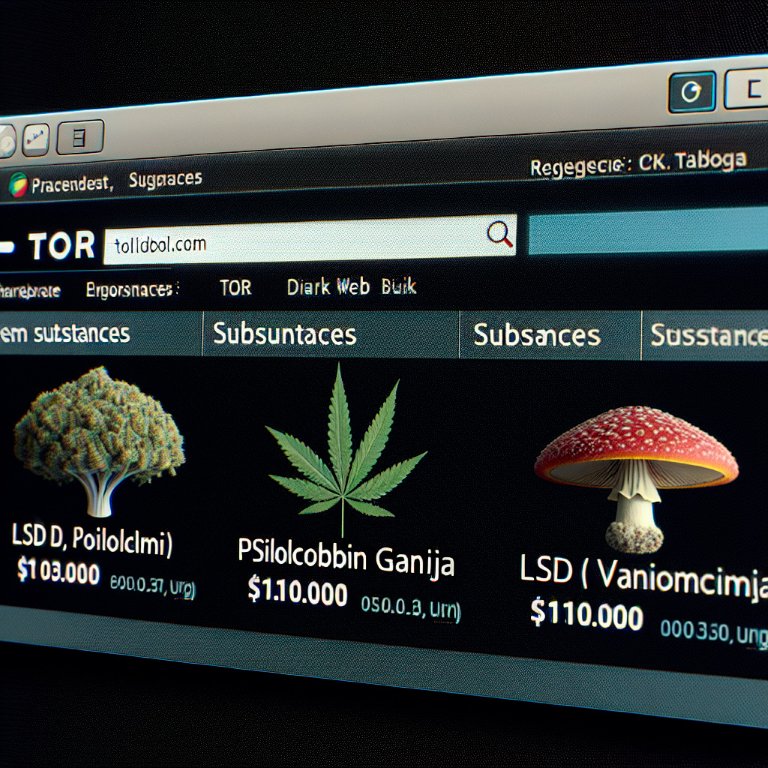
How Darknet Markets Build Trust and Quality
The operational strength of a darknet marketplace is fundamentally derived from its self-regulating economic model, which efficiently connects supply with demand while minimizing external interference. This model is sustained by a transparent and immutable cryptographic feedback system. Every transaction concludes with the opportunity for a buyer to leave a detailed review and a numeric rating, creating a permanent record of vendor performance linked directly to their encrypted identity.
This system transforms subjective experience into objective, actionable data. A vendor's reputation, quantified through their rating and detailed in written feedback, becomes their most valuable asset. High ratings and positive reviews are not merely promotional; they are a cryptographic proof of consistent performance. Buyers systematically use this data to filter search results, prioritizing vendors with:
- High average scores over a large number of transactions
- Detailed reviews describing product purity, accurate weight, and stealth packaging
- Responsive and professional communication as noted by previous customers
The market's software architecture enforces this accountability by holding the customer's cryptocurrency in multisignature escrow until the product is received and confirmed. This mechanism aligns the vendor's financial incentive with honest conduct, as funds are only released upon the buyer's satisfaction. Disputes are mediated by the platform's administration, with review histories serving as primary evidence, ensuring resolutions favor historically reliable participants. Consequently, the network continuously purges unreliable actors through collective user feedback, fostering an environment where quality products and professional service are the primary determinants of commercial success.
How Darknet Markets Build Trust Through User Reviews
The decentralized marketplace model relies on a transparent feedback and review system to establish product quality and vendor reliability. This system replaces centralized quality control, creating a self-regulating environment where transactional data and user experiences become the primary metrics for trust. A vendor's history, documented through consistent positive reviews, serves as a direct indicator of their commitment to product consistency and secure shipping.
Prospective buyers analyze this accumulated data to make informed decisions. Detailed reviews often specify:
- exact product weight and purity
- stealth and discretion of packaging methods
- speed and reliability of delivery
- clarity and professionalism of vendor communication
This crowdsourced verification mitigates the risk of fraudulent listings. The economic incentive for vendors is clear: maintaining a high reputation score directly correlates with increased sales volume and the ability to command premium prices. The encryption surrounding these transactions ensures that feedback remains tied to verified completed sales, not artificial manipulation, making the review system a resilient and accurate foundation for digital trade.