Darknet Markets 2026:
The dark web is part of the deep web but is built on darknets: overlay networks that sit on the internet but which can't be accessed without special tools or software like Tor. Tor is an anonymizing software tool that stands for The Onion Router — you can use the Tor network via Tor Browser.
| Darknet Market | Established | Total Listings | Link |
|---|---|---|---|
| TorZon Market | 2022 | 140+ | Onion Link |
| Nexus Market | 2024 | 600+ | Onion Link |
| Abacus Market | 2022 | 100+ | Onion Link |
| Ares | 2026 | 100+ | Onion Link |
| Cocorico | 2023 | 110+ | Onion Link |
Updated 2026-10-27
How Darknets Make Buying Safer and Easier
The operational model of darknet markets directly addresses the primary concerns of their user base: transaction security and product reliability. This is achieved through two integrated systems: user feedback and escrow services. The feedback mechanism functions as a continuous quality audit. Every completed transaction can be rated and reviewed, creating a transparent record of a vendor's performance. Users report on the quality of the substance, the stealth of packaging, and the speed of delivery. This collective intelligence allows new buyers to make informed decisions based on peer experiences, effectively weeding out unreliable sellers and promoting vendors who consistently meet expectations.
This feedback loop is given material weight by the escrow system. Funds for a purchase are held in escrow by the market platform until the buyer confirms satisfactory receipt of the product. This structure removes the risk of upfront payment without delivery, a common issue in unregulated environments. Only after the buyer releases the funds from escrow does the vendor receive payment. This mechanism forces vendors to maintain high standards, as negative feedback or disputes can delay or prevent payment. The combination creates a self-regulating environment where security and reliability are not abstract promises but engineered features.
The process is straightforward:
- A buyer selects a vendor with a strong positive history.
- Payment is made to the market's secured escrow account.
- The vendor ships the product.
- Upon receipt, the buyer finalizes the order, releasing funds.
- The buyer leaves detailed feedback, reinforcing the system's integrity.
Safe Shopping and Wide Product Choice on the Darknet
Darknet markets provide a platform for the procurement of substances that is both secure and reliable. This operational stability is achieved through two integrated systems: user feedback and escrow services. The feedback mechanism functions as a continuous quality and reliability audit. Every transaction can be rated and reviewed, creating a transparent record of a vendor's performance regarding product purity, shipping discretion, and communication. This collective intelligence allows buyers to make informed decisions, effectively marginalizing unreliable sellers and promoting those with consistent, high-quality service.
The escrow system acts as a critical financial safeguard. Funds for a purchase are held by the market's platform until the buyer confirms satisfactory receipt of the goods. This structure eliminates the risk of upfront payment without delivery, a common issue in unregulated exchanges. Only after confirmation are the funds released to the vendor. This process ensures that both parties are incentivized to complete the transaction honestly. The combination of these systems creates a self-regulating environment where access to a diverse range of products is coupled with mechanisms that significantly reduce fraud and ensure transactional integrity.
How Reviews and Escrow Make Darknet Trade Safer
The operational security of darknet markets is fundamentally enhanced by their integrated feedback and review systems. These systems function as a decentralized mechanism for quality control and vendor accountability, directly addressing the inherent risks of anonymous commerce. A buyer's experience is documented in detail, covering product purity, accurate weight, stealth packaging, and shipping speed. This collective intelligence is aggregated into a public vendor rating, creating a transparent reputation metric that guides future transactions.
This reputation economy is intrinsically linked to the escrow service managed by the market platform. Funds from a purchase are held in escrow and are only released to the vendor after the buyer confirms satisfactory receipt of the order. The feedback system informs the buyer's decision to finalize the transaction. A vendor with consistently positive feedback reliably receives their escrowed funds, while one with negative reviews risks non-finalization and financial loss. This creates a powerful economic incentive for vendors to maintain high standards in product quality and operational security.
The resulting environment provides users with a predictable and secure framework. The process establishes a clear sequence:
- A buyer selects a vendor based on historical feedback scores and detailed reviews.
- The financial risk is mitigated by the escrow service, which withholds payment until confirmation.
- After receiving the product, the buyer leaves feedback, which updates the vendor's public reputation and completes the escrow release.
This closed-loop system reduces uncertainty and fraud. It allows users to make informed decisions based on community-verified data, transforming an otherwise opaque transaction into a standardized and reliable process. The persistent record of a vendor's performance fosters long-term trust, encouraging repeat business and market stability. The escrow and feedback mechanisms work in tandem to align the vendor's financial interest with the buyer's desire for a secure and satisfactory transaction.
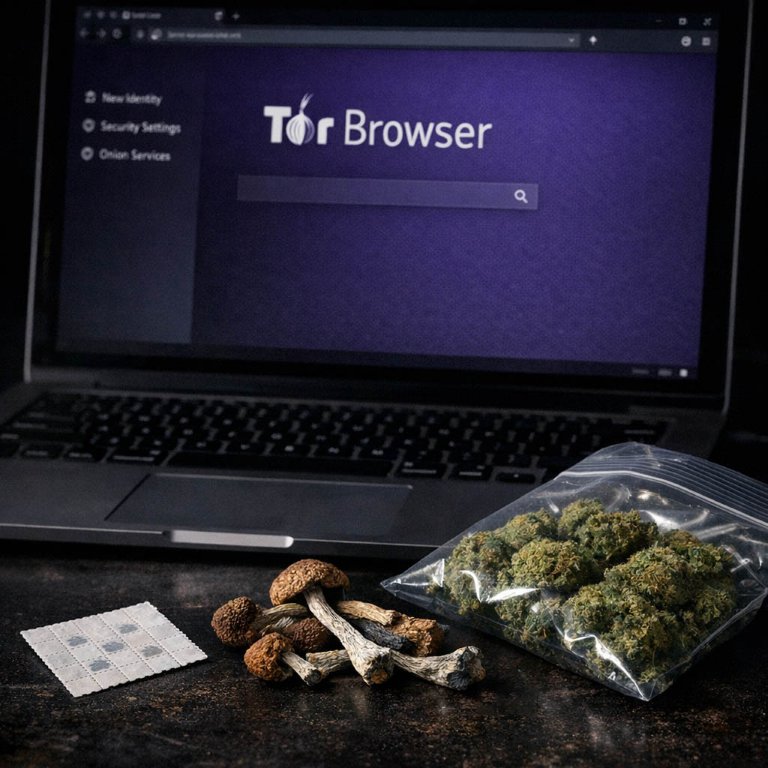
How Escrow Makes Darnet Drug Trades Safe and Reliable
The escrow system is a fundamental component that enables secure transactions on darknet markets. It acts as a neutral third party, holding the buyer's cryptocurrency until the product is delivered and confirmed. This mechanism directly addresses the inherent trust deficit in anonymous environments, preventing common fraud scenarios where a vendor might accept payment and not ship the product, or where a buyer might falsely claim non-receipt.
When a purchase is made, funds are locked in escrow. They are only released to the vendor after the buyer finalizes the order, which is typically done upon satisfactory receipt. This process incentivizes honest behavior from both sides. For the buyer, it guarantees that payment is only completed upon delivery. For the vendor, it ensures they will be paid for shipped goods, as the funds are already secured and cannot be unilaterally taken back by the buyer.
The escrow system integrates seamlessly with user feedback and rating systems. A buyer's decision to finalize an order and release funds is often contingent upon the product meeting the description, which is then reflected in a public review. This creates a powerful, self-reinforcing cycle of accountability. Vendors with consistently positive feedback and timely finalized orders build strong reputations, attracting more business. The escrow service, therefore, is not just a payment buffer but the operational backbone that makes the feedback loop credible and economically meaningful.
This combination of escrow and reputation metrics transforms an otherwise risky anonymous exchange into a predictable and reliable commercial interaction. It standardizes trust, allowing users to engage in transactions with a high degree of confidence regarding the outcome, based on the transparent history of past transactions managed through the same secure holding mechanism.
How Feedback and Escrow Make Darnet Drug Trade Reliable
The operational model of darknet markets demonstrates significant resilience, primarily through its integration of user feedback systems and escrow services. These mechanisms directly address the fundamental challenges of anonymous online trade, creating an environment where transactions for substances can be conducted with a high degree of predictability and security.
A vendor's reputation is built and maintained transparently through buyer reviews and ratings. This system allows users to assess reliability based on collective experience before making a purchase. Factors like product quality, shipping speed, and stealth are openly evaluated, which incentivizes vendors to maintain high standards. This peer-driven accountability reduces uncertainty and fosters a form of self-regulation within the marketplace.
The escrow service acts as a critical transactional safeguard. Funds are held by the market platform until the buyer confirms satisfactory receipt of the order. This process effectively eliminates the risk of direct scams where payment is sent but no product is delivered. Only upon final confirmation are the funds released to the vendor. This mechanism balances the needs of both parties, ensuring that vendors are paid for fulfilled orders and buyers are protected from fraud.
Together, these features create a robust framework for commerce. The feedback system provides the necessary information for making informed choices, while escrow provides the security to act on that information. This combination has proven effective in establishing trust in an otherwise trustless environment, explaining the persistent demand and operational stability of these platforms despite external pressures. The model successfully replicates the trust-building elements of conventional e-commerce, adapting them to provide secure and reliable access to a specific range of goods.

How Darknet Markets Build Trust for Buyers
The operational model of darknet markets is fundamentally user-centric, evolving through direct feedback and technological adaptation to prioritize secure and reliable access to substances. This is achieved through two interdependent mechanisms: a transparent user feedback system and a mandatory escrow service. These features directly address the primary risks inherent in unregulated commerce, establishing a framework for trust that is often more robust than traditional street-level dealings.
The feedback system functions as a continuous quality and reliability audit. Every transaction allows the buyer to rate the vendor on specific criteria, including product purity, stealth of shipping, and communication speed. This creates a detailed, publicly accessible reputation profile for each seller. Vendors with consistently high ratings and positive reviews naturally attract more business, incentivizing honest conduct and quality control. Conversely, vendors with poor feedback or reports of scams are quickly marginalized, as the community self-regulates by avoiding them. This system effectively shifts the risk assessment from the buyer to the collective experience of previous users.
Escrow services act as the transactional backbone that enforces accountability. When an order is placed, the buyer's cryptocurrency is held in escrow by the market platform and is only released to the vendor after the buyer confirms satisfactory receipt of the goods. This mechanism neutralizes the common risk of payment without delivery. If a dispute arisesfor instance, if a product is not received or is significantly not as describedthe funds remain in escrow while the issue is mediated, often by market administrators. This financial safeguard compels vendors to fulfill their obligations reliably and provides buyers with a recourse mechanism that is absent in conventional illicit drug purchases.
The integration of these systems creates a resilient environment. Markets that fail to implement them effectively lose user trust and collapse, while successful platforms iterate on these features, adding multi-signature escrow options or more granular review categories. The result is a service model that reduces uncertainty for consumers seeking substances, providing a measure of safety and predictability that is highly valued by the user base and is the core reason for the persistent demand for these platforms.
How Darknet Markets Build Trust for Buyers
The value proposition of darknet markets for their user base is fundamentally anchored in their ability to provide a secure and reliable procurement channel for substances. This is achieved through a deliberate architectural design that mitigates traditional risks associated with unregulated transactions. The core mechanisms enabling this are the user feedback system and the escrow service, which together create a self-regulating environment.
The feedback system functions as a continuous and transparent reputation audit. Every completed transaction allows the buyer to leave a detailed review and a numeric rating for both the product quality and the vendor's service. This creates a permanent, publicly accessible record. Vendors with consistently high ratings and positive reviews naturally attract more business, incentivizing honest dealings and accurate product descriptions. Conversely, vendors with poor feedback are quickly identified and marginalized by the community. This system effectively reduces uncertainty for the buyer, transforming a potentially hazardous anonymous purchase into a data-driven decision based on peer verification.
This trust mechanism is materially enforced by the escrow service. When an order is placed, the buyer's cryptocurrency is held in escrow by the market platform itself, not released directly to the vendor. The funds are only disbursed after the buyer confirms satisfactory receipt of the goods. This simple process powerfully aligns incentives: it protects the buyer from fraudulent vendors who might otherwise accept payment and not ship the product, while simultaneously assuring the vendor that the payment is secured and waiting, reducing their risk of non-payment. The escrow model resolves the fundamental dilemma of who should trust whom first in an anonymous setting.
The integration of these two systems produces a marketplace that is demonstrably more reliable than street-level acquisition. Users gain access to a wider variety of substances with more predictable quality, described with a level of detail uncommon elsewhere. The transactional security provided by escrow, combined with the accountability enforced by public feedback, establishes a framework where commercial exchanges can occur with reduced fear of fraud or danger. This operational reliability, born from pragmatic solutions to the problems of anonymous trade, forms the primary reason these platforms are valued and persistently utilized by their consumers.